- (267) 367-6610
- [email protected]
- 916 Clinton St, Philadelphia, PA 19107, USA

Historic properties around Old City, Rittenhouse, and Germantown were never designed around a moving truck, and that is exactly where a piano move gets complicated. We plan the permit, the parking sign, and the protection for the building before anyone touches the instrument. Fifteen years of doing this locally means we already know which blocks will fight you and which ones will not.
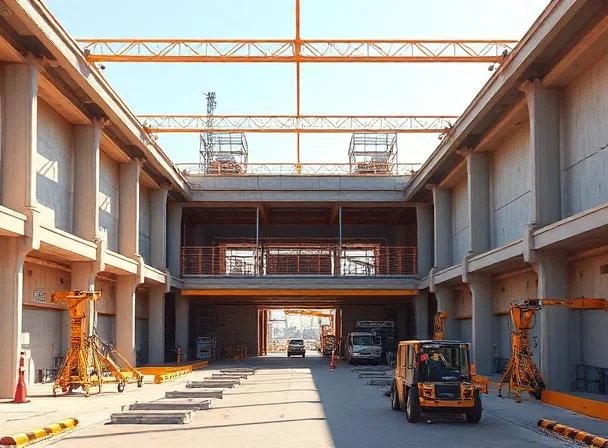
The process for a landmark property is longer than a standard move, mostly because of permissions, protection, and the building itself.
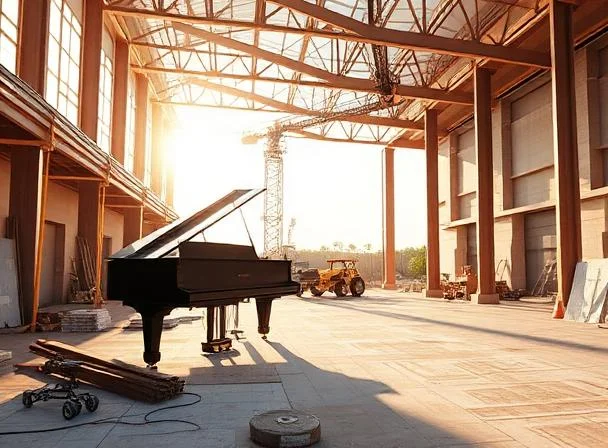
Grand pianos are the hardest instruments to move through historic interiors because of their length and weight distribution.
We plan the route around the piano, not the other way around, and use the equipment that fits the building.
Uprights are common in rowhouses and older apartments, and they still need real planning when the stairwell is narrow.
Short notice moves are something we handle regularly, including same day requests when the schedule allows.

Street closures, parking signs, and building access rules are part of the job on landmark properties.
We help you understand what is required so the move day does not stall on a technicality.
One bid came in lower, but they wanted to skip the floor protection and just muscle it through.
The crew here took the extra time and nothing got scratched, including the piano.
I would pay that difference every single time.
I had no idea a parking sign was even required until they explained it.
They walked me through the permit step by step and it was approved the first time, no back and forth with the city at all.
That alone saved me a week of stress.
I called on a Saturday because our closing date moved up and I panicked.
Someone actually picked up and gave me a straight answer about timing instead of a runaround.
They had us scheduled before the weekend was over.
What stuck with me was how they wrapped the banister and the door trim before anything moved.
Every corner was padded and the piano came out without a mark.
You can tell they have done this in old buildings before.
A piano move in a historic building is a planning job more than a lifting job. We walk the route, we protect what needs protecting, and we answer the insurance and liability questions people ask before they commit. What you get is a crew that has done this long enough to know where the surprises usually hide.
Skip the form. Call now for a free on-site quote from a real estimator. We answer the phone.
CALL (267) 367-6610We have spent 15 years moving pianos in and out of older buildings where the doorway, the stairwell, and the sidewalk all have an opinion.
Homeowners often describe the permit and parking sign process as the most confusing part of a move, and they are not wrong.
We handle that paperwork and the logistics around it, so you are not guessing at what the city wants or when it wants it.
Every move starts with a walkthrough of the actual path the piano will travel, inside and out.
If you want to understand how we protect finished stone and tile underfoot, see how we handle delicate floor surfaces here.
We treat the building as carefully as the instrument, because in a historic property the two are usually connected.
People worry about liability and insurance when hiring movers for a piano, especially for valuable instruments, and they are also concerned about the reliability and trustworthiness of piano moving companies, especially when insurance is lacking.
We would rather answer those questions up front than after a problem, because we know that trust is earned on the walkthrough, not on the invoice.
That is the difference between a crew that moves pianos and a crew that moves pianos out of landmarks.
Our crews work across these 46 ZIP codes.