- (267) 367-6610
- [email protected]
- 916 Clinton St, Philadelphia, PA 19107, USA

Loading a concert grand onto a floating stage is not a normal house move.
It is a rigging job with a moving deck under your feet, and every step has to be planned before the piano leaves the dock.
Homeowners report that piano moving quotes increase significantly when stairs are involved, and a river stage adds a slope and a moving deck on top of that, so we price the access, not just the distance.

River work is a sequence, not a lift.
We walk the whole path first, then rig it in stages so the piano is never unsupported and never over open water without a plan.
A pattern echoed in public discussions is that people underestimate how much the deck, not the piano, drives the difficulty, and that quotes increase significantly once stairs or a ramp enter the route, which is exactly what causes budget surprises on river venue jobs.

Moving a piano onto or off a barge, pontoon or floating stage with ramps, skid boards and controlled crew handling.
We plan for the deck moving underfoot and for the ramp angle changing as the vessel settles.
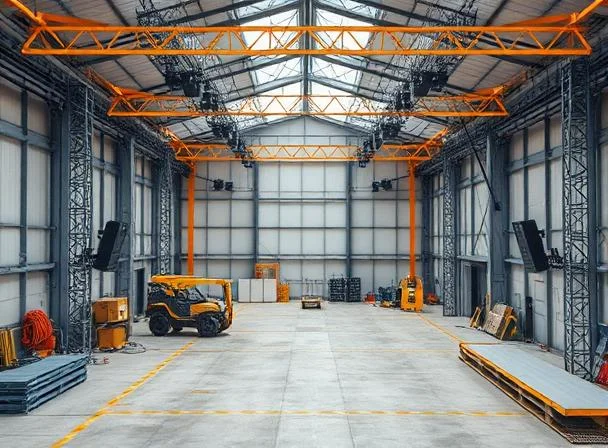
When a piano cannot come through the door or down the stairs, it goes over the top or up the side.
We set up crane and roof access lifts for riverfront venues and upper floor situations where a straight carry is not possible.

Grand pianos arriving from out of state for a river event get the same padded, strapped and skidded handling as a local move.
We coordinate the arrival window so the instrument is not sitting on a dock waiting for the stage.
I told my neighbor about the crew the same week, because getting a grand onto a floating stage without a scratch is not something I expected to go that smoothly.
She has a piano coming out of a second floor walkup and I told her not to call anyone else.
Halfway through the load in we found the gangway was narrower than the venue had told us, and the crew just re-rigged the ramp and kept going like it was nothing.
Nobody panicked, nobody blamed anybody, they just solved it and we stayed on schedule.
Our performance was the next morning and the stage access window was only a few hours long, so there was no room for a late crew.
They were on the dock before we were and the piano was set and leveled with time to spare.
The last outfit that touched our piano left the lid hinge bent and the bench rattling, so I was nervous about letting anyone near it again.
These guys fixed the hinge, padded everything properly, and the instrument came off the stage in better shape than it went on.
We treat every piano as a valuable instrument, not a piece of furniture, because that is what it is.
The crew pads, straps and skids the piano at every stage, and we keep people clear of the load path when a ramp or a deck edge is involved.
If something about the site changes, we stop and re-plan rather than push through it.
That is the standard we hold on dry land and on the water.
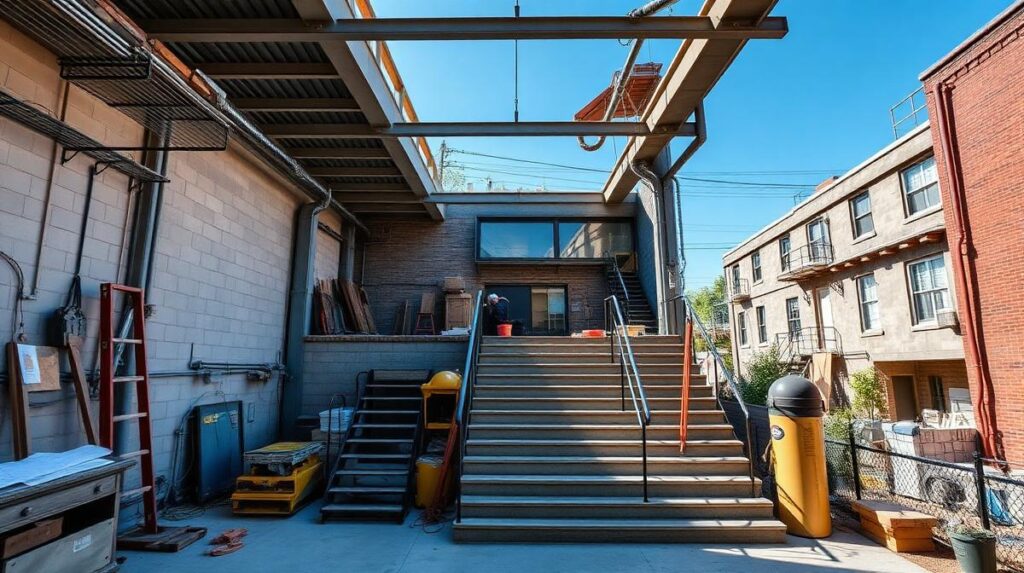
Skip the form. Call now for a free on-site quote from a real estimator. We answer the phone.
CALL (267) 367-6610A floating stage is a moving floor, and a grand piano does not forgive a moving floor.
We have been moving pianos for 15 years, and river work is the part of the job where planning matters most.
Homeowners often describe the same worry we hear on land: floors and finishes getting gouged on the way through.
On a barge or pontoon stage that risk doubles, because the deck itself shifts under the load.
We measure the gangway, the ramp angle and the deck edge before we touch the instrument.
If the route runs through a historic building or a permitted venue, this guide to permit and landmark piano moves covers what venues usually ask for.
Every piano gets padded, strapped and skidded as if it were the only one on the truck.
We quote the job, we show up when we said we would, and we keep the crew on the piano until it is set and stable. Jobs that start this way often turn into Floating Stages Philadelphia.
Our crews work across these 46 ZIP codes.